🏛️ Historical Combinations
A three-Age run can tell a story. These leader + civilization combinations are for players who enjoy history, roleplay, and watching an empire carry a recognizable idea across centuries. Each route traces a region, religion, coastline, dynasty, migration, or political inheritance from the ancient world into the modern one.
The twenty runs below are organized by region and built history and geography first. The primary leader + civilization sequence makes the strongest narrative argument; Historical thread explains that connection, while How it plays keeps the run enjoyable at the table. Strategic variants trade some thematic neatness for a stronger mechanical fit.
Every civilization in the game appears in at least one run, and every leader appears as either a primary or a variant – so whichever you were curious about, there is a home for it below.
Each run also closes with a 🗺️ Best maps line. Map choice matters more here than anywhere else in the guide: a naval thread on a single landmass has nowhere to sail, and a cavalry empire on an archipelago cannot reach anything. Map types are described in Setting up a game.
Unlock requirements, Syncretism associations, Pantheon choices, and map geography all reach forward, so identify the likely next civilization and one plausible alternative before the game begins. At an Age Transition, follow the version that still fits the map and the story your game has produced. If you may stay with one civilization instead of evolving, read Playing Time-Tested first – several of these threads work as single-civ runs too.
🀄 East Asia
1. The Mandate of Heaven
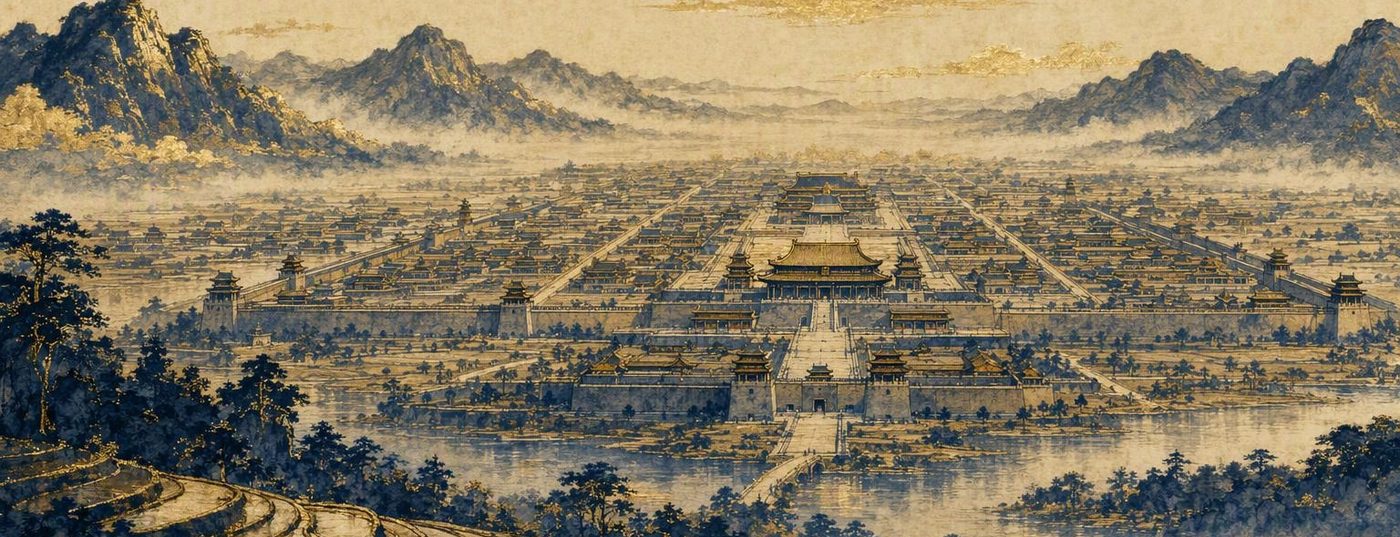
Lead with: Confucius · Civilization sequence: Han China → Ming China → Qing China
Historical thread. The cleanest dynastic line in the game: Han to Ming to Qing is the actual succession of imperial China, and Confucius presides over all of it – his teaching shaped the examination system that staffed every one of those bureaucracies. Han grows the scholarly Capital, Ming concentrates Science there, and Qing turns the same state outward through trade and territory.
How it plays. One enormous Capital, built in Antiquity and never diluted. Han turns every Science Building into a growth event, Confucius converts that population into Specialists, and Ming's +50% Capital Science multiplies the whole stack – so resist the urge to found a second research city, because the multiplier only lives in one place. Qing then pivots the same empire to trade and expansion, which is a genuine change of gear rather than more of the same: keep Social Policies lean through the Ming Age, since each one costs you Science.
Strategic variants. Ada Lovelace converts the Science surplus into Culture for a hybrid finish; Benjamin Franklin turns the same empire outward through Endeavors. For an economic Qing rather than a scientific one, Machiavelli exploits its import bonuses – but every Qing Trade Route costs 6 Science, which fights a Science win directly.
🗺️ Best maps. Continents Plus, or Pangaea Plus. A land empire that wants a stable homeland to develop tall and a Distant Lands theater for the Exploration Age. Pangaea Plus if you want Qing's late expansion to have somewhere to go by force.
2. The Floating World
Lead with: Toyotomi Hideyoshi · Civilization sequence: Heian Japan → Sengoku Japan → Meiji Japan
Historical thread. Japan's three great self-reinventions in order: the Heian court that made aesthetic judgement a form of rank, the century of civil war that replaced it with military reputation, and the Meiji Restoration that replaced that with railways and shipyards. Hideyoshi rose from peasant to unifier during the middle Age, which makes him the hinge of the whole story.
How it plays. An unusual arc – cultivated terrain first, then Commander XP converting into yields, then Science from overbuilding. In Heian, preserve Charming and Breathtaking clusters for Jinja adjacency and Hoo-do Hall rather than covering them casually. Sengoku then makes Army Commander experience part of the yield engine, so keep a veteran Commander active instead of treating war as a separate phase. In Meiji, overbuild deliberately to turn the old core into Science while shipyards carry the island empire outward.
Strategic variants. Himiko (High Shaman) leans the run hard toward Culture and Happiness from the start; Himiko (Queen of Wa) plays the same roster as a diplomatic Science game. Friedrich (Oblique) suits a player who wants Sengoku's Commander economy pushed to its limit.
🗺️ Best maps. Archipelago Hemispheres, or Continents and Islands. Island Japan, structurally: a defined home cluster keeps Heian's tile-picking intimate and gives Meiji's shipyards something to reach.
3. The Hermit Kingdom
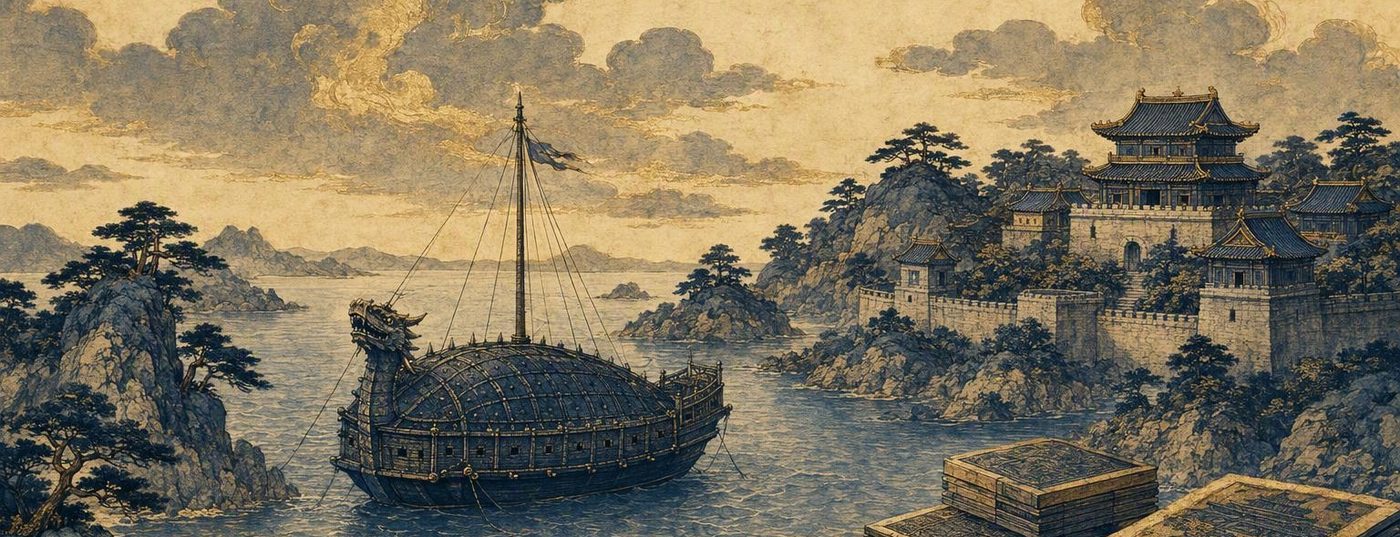
Lead with: Yi Sun-sin · Civilization sequence: Silla → Goryeo → Joseon
Historical thread. Korea's dynastic succession, exactly: Silla unified the peninsula, Goryeo gave it its name and its woodblock canon, Joseon gave it Hangul and the turtle ship. Yi Sun-sin served Joseon and remains undefeated in twenty-three naval engagements – the run's natural destination.
How it plays. Build a compact scholarly core and use Silla's opening to secure allies and trade partners rather than expanding without a plan. In Goryeo, keep worthwhile Endeavors active so diplomacy continues paying Culture. Joseon then concentrates Specialists in the Capital and Seowon Cities while Towns buy the basic Science and Culture Buildings they need. Train Yi Sun-sin's Fleet Commanders early enough that naval victories can fund research before the final Age.
Strategic variants. Confucius for the scholarly reading of the same line; Ada Lovelace if you want Joseon's Specialist engine feeding a Science-to-Culture conversion instead.
🗺️ Best maps. Shattered Seas, or Archipelago. Yi Sun-sin needs water everywhere and short crossings between many small landmasses – a coastline that rewards a small, superb navy.
🌏 South & Southeast Asia
4. The Dharma Road
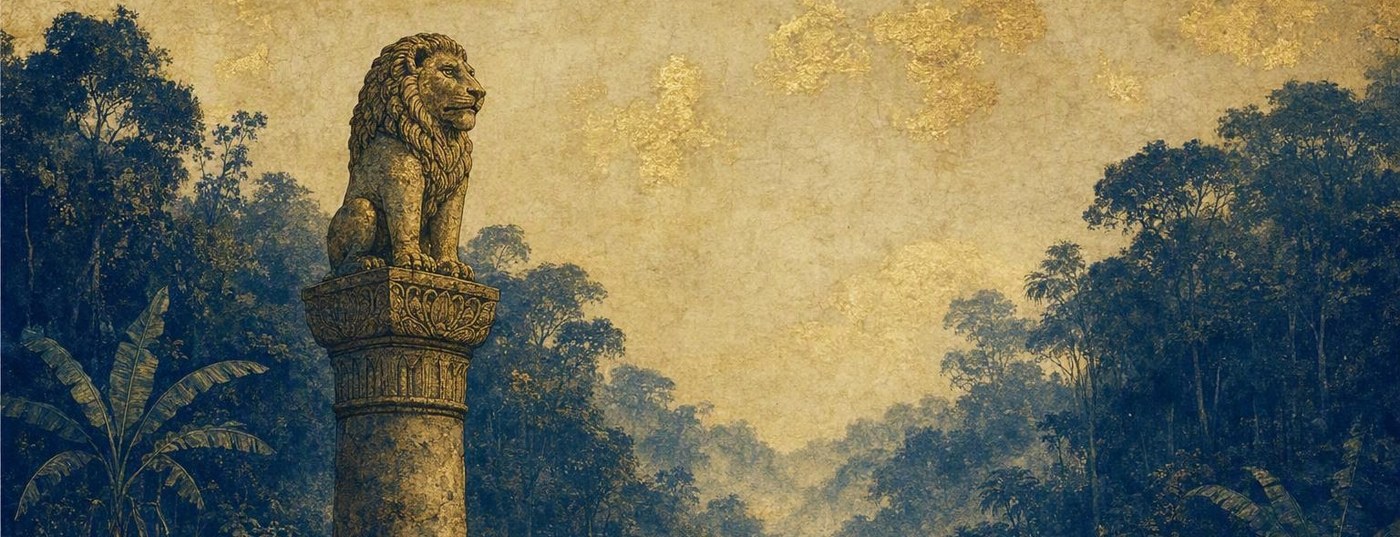
Lead with: Ashoka (Renouncer) · Civilization sequence: Maurya → Majapahit → Siam
Historical thread. This traces the eastward diffusion of Indic religion and statecraft: Ashoka's Buddhist edicts, then the Hindu-Buddhist courts of Java, then Theravada Siam. It is one continuous cultural transmission spanning fifteen hundred miles and two thousand years, and the Renouncer persona – Ashoka after Kalinga – is its origin point.
How it plays. A Happiness-and-diplomacy engine end to end. Renouncer converts surplus Happiness into Food, Majapahit stacks Specialists in coastal cities, and Siam spends the Influence on City-State suzerainty. Build Doi Suthep on Rough terrain only after several suzerainties are secure: each one then adds +5 Culture and +5 Gold.
Strategic variants. José Rizal for maximum Celebration uptime; Lafayette for a Tradition-heavy diplomatic build. Substituting Khmer for Maurya keeps the run in Southeast Asia throughout at the cost of the Indian origin.
🗺️ Best maps. Continents and Islands, or Archipelago. The Indic-to-maritime arc wants a mainland origin and an island second act, which is exactly what Majapahit's coastal Specialists key off.
5. The Red River
Lead with: Trung Trac · Civilization sequence: Khmer → Dai Viet → Qing China
Historical thread. Vietnam's long negotiation with its enormous northern neighbor. Trung Trac raised the revolt of 40 CE against Han rule and held the north for three years; the run ends inside the Chinese orbit her successors spent centuries managing. Khmer supplies the mainland Southeast Asian foundation and its hydraulic capital.
How it plays. Start with a large Khmer river Capital and keep the rest of the empire compact enough to absorb pressure. In Dai Viet, build Fortifications along the land border where they both earn Culture and create the defensive fights Trung Trac's Commanders can control. Qing is a deliberate late pivot: open only the Trade Routes whose imported Resources justify the 6 Science cost, and use the fortified homeland as the base for expansion rather than dismantling it.
Strategic variants. Siam in place of Qing China keeps the run in Southeast Asia and drops the Science penalty. Ashoka (Conqueror) turns the fortified empire aggressive; Confucius leans it scholarly.
🗺️ Best maps. Continents, or Pangaea Plus. Turtling needs a land border to hold. Give Dai Viet a neighbor to fortify against, not an ocean that makes the defense irrelevant.
6. The Subcontinent

Lead with: Lakshmibai · Civilization sequence: Maurya → Chola → Mughal
Historical thread. North to south to north again: the Mauryan empire, the Chola maritime empire that reached Srivijaya, and the Mughal court whose wealth funded the Taj Mahal. Lakshmibai, the Rani of Jhansi, is the subcontinent's most famous resistance to what came after.
How it plays. Builds toward one of the strongest economies in the game. Chola's Trade-Agreement-per-Trade-Route ability sets up Mughal's doubled Gold, and Mughal can then purchase Wonders outright – an economic engine that converts directly into Cultural score.
Strategic variants. Ashoka (Conqueror) for a militarist Maurya opening; Machiavelli to maximize Chola's diplomatic income; Amina to push the Gold engine hardest.
🗺️ Best maps. Continents Plus, or Terra Incognita. Chola's trade network wants reachable partners and Mughal's Gold wants a big developed homeland – a classic continent with sea lanes on both ends.
🌍 The Middle East & Africa
Abbasid is the only Exploration-Age civilization in this region, so it anchors the middle of several runs. That is a roster constraint rather than a lack of imagination – and it is historically fair, since Baghdad genuinely was the successor to all of them.
7. The Persian Continuum
Lead with: Xerxes (Achaemenid) · Civilization sequence: Persia → Abbasid → Qajar
Historical thread. Iran across two and a half millennia: the Achaemenid empire of the Royal Road, the Persianate golden age centered on Baghdad, and the compact Qajar state holding its ground between empires. The Achaemenid persona is Xerxes as administrator rather than invader, which is the right register for a run about continuity.
How it plays. Trade and Culture into dense Science into concentrated Influence. Note the sharp turn at the end: Qajar's Twelve Gates civic rewards staying under your Settlement Limit, so the wide empire you built in the first two Ages should stop expanding once that civic payoff is online.
Strategic variants. Machiavelli for a purely diplomatic-economic reading; Ibn Battuta, who traveled all three regions, for a versatile Wildcard build.
🗺️ Best maps. Pangaea Plus, or Continents. Overland trade is the whole run. One landmass makes the Royal Road literal and keeps Qajar's compact late empire adjacent to everything it trades with.
8. The Fertile Crescent
Lead with: Xerxes (King of Kings) · Civilization sequence: Assyria → Abbasid → Ottoman
Historical thread. Mesopotamia and its heirs: Assyria's libraries and siegecraft, Baghdad's House of Wisdom, and the Ottoman state that eventually ruled the whole region. This is the conqueror persona of Xerxes, and the run is built on the idea that each empire inherited the last one's cities intact.
How it plays. Conquest that pays in knowledge. Assyria's first-capture Technology and Great Work lead into Abbasid's Science density. Ottoman then turns conquered ground into a collection: every Artifact excavated in Ottoman territory generates an additional Artifact for you.
Strategic variants. Gilgamesh is the most historically exact leader available here – king of Uruk, in the same river country the run begins in – and he turns the same conquest into Influence and an Endeavor engine rather than Science. Alexander, who took this exact territory, rewards planting Wonders in the cities you capture; Friedrich (Baroque) converts captured settlements into Great Works.
🗺️ Best maps. Pangaea Plus, or Continents. Conquest that inherits cities wants those cities to be walkable. No ocean between you and the next library.
9. The Two Lands
Lead with: Hatshepsut · Civilization sequence: Egypt → Abbasid → Ottoman
Historical thread. Egypt's own succession of rulers: pharaonic, then Islamic, then Ottoman, which governed Egypt until the twentieth century. Hatshepsut's reign is remembered for the trading expedition to Punt and the terraces at Deir el-Bahari – commerce and monumental construction, which is exactly what this line rewards.
How it plays. Wonder-heavy and river-based. Egypt's Navigable River Production rushes early Wonders, and every Wonder pays Tourism for as long as you hold it – but the largest payoff lands two Ages later. Sultanahmet Camii triples its Culture and Gold bonus on Antiquity Wonders in its own Settlement, and it must stand beside another Wonder. Concentrate the Egyptian Wonders in one river City rather than spreading them across several, then make that City the Ottoman wonder seat.
Strategic variants. Catherine the Great turns the accumulated Wonders and Great Works into the strongest Cultural engine available; Augustus suits a player who wants a tall monumental capital.
🗺️ Best maps. Continents Plus, or Continents. River Production and Wonder-building want a settled homeland, and Ottoman's late reach still wants Distant Lands to matter.
10. The Corsair Coast
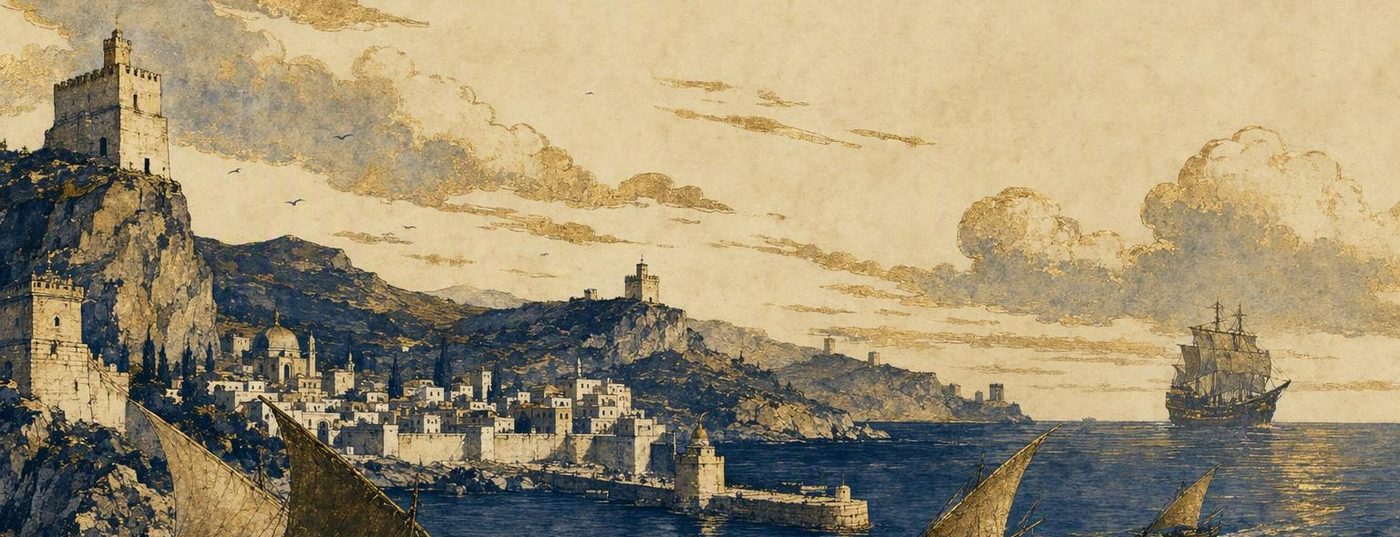
Lead with: Sayyida al Hurra · Civilization sequence: Carthage → Republic of Pirates → Great Britain
Historical thread. The western Mediterranean and Atlantic told through the people who preyed on them. Sayyida al Hurra was queen of Tétouan and an ally of Barbarossa, commanding corsairs for decades; Carthage gives her a sprawl of coastal Towns around a single City, the pirate republic gives her the golden age of plunder, and Great Britain is the naval power that eventually ended that world.
How it plays. Raiding as an economy. Republic of Pirates cannot train Settlers, so expansion comes from captured Settlers and the free Settlers granted by Sailing, Navigation, and Pirate Origins. If the route ends with Great Britain, build Battersea Power Station before the main fleet queue so every trained Naval Unit arrives with a second copy.
Strategic variants. Edward Teach is the obvious alternative and stacks his Pirate ability directly with Flying Gang; Amina funds the fleet through land-based tribute instead. Ending on Ottoman instead of Great Britain keeps the Barbary regencies inside their real empire.
🗺️ Best maps. Archipelago, or Shattered Seas. Raiding needs targets at sea and coastline to prey on. The Republic of Pirates cannot settle normally, so a map made of coasts is the map that makes it work.
11. The Traveler's Africa
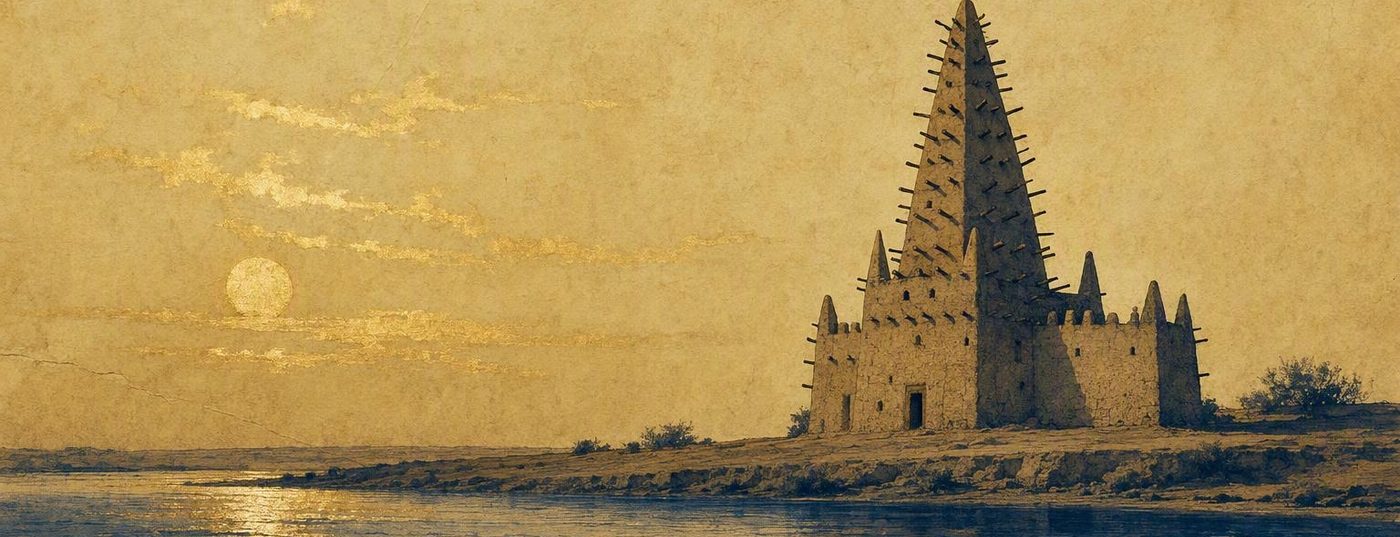
Lead with: Ibn Battuta · Civilization sequence: Aksum → Songhai → Buganda
Historical thread. Ibn Battuta actually went to these places. His thirty years of travel took him down the Red Sea coast, across the Sahara to the Mali and Songhai lands of the Niger, and through the East African trading world. Aksum's Red Sea commerce, Songhai's river trade at Timbuktu and Gao, and Buganda's lake kingdom trace that itinerary in order.
How it plays. Trade-forward and exploratory. Ibn Battuta's Wildcard Attribute points and extra Sight suit a run that wants to see the map early, and Songhai's +15 Trade Route range from Navigable Rivers builds continental-scale networks.
Strategic variants. Amina, whose Hausa power sat beside Songhai, for a more militarized economy; Hatshepsut for the Red Sea trading emphasis; Machiavelli for a purely commercial run.
🗺️ Best maps. Continents Plus, or Fractal Continents. Ibn Battuta wants distance to cross and variety to find. Fractal Continents if you want the itinerary genuinely unknown.
🏛️ Europe & the Steppe
Rome anchors three of these runs because several European states in this roster trace their institutions, roads, or legal traditions back through it. Where another Antiquity civilization tells the stronger story, the route starts elsewhere.
12. The Greek Project

Lead with: Catherine the Great · Civilization sequence: Greece → Bulgaria → Russia
Historical thread. This is a real historical program. Catherine's "Greek Project" aimed to restore a Byzantine empire under Russian protection, and the Orthodox thread from Greece through the Bulgarian tsardoms to Russia is the ideological spine she was appealing to. She even named a grandson Constantine for the purpose.
How it plays. Culture and Influence throughout, ending with Russia's Tundra Quarters and Hermitage. Its three Great Work slots hold the best pieces, while distributing at least one work to each viable Settlement triggers +5 Culture in all of them.
Strategic variants. Alexander for the Macedonian reading, turning the Balkans into a conquest corridor; Lafayette to lean on Greek Demokratia's Influence; Ada Lovelace for a Science finish.
🗺️ Best maps. Continents, or Continents Plus. An Orthodox thread running north over land – the run wants a contiguous landmass to carry Culture and Influence across, not an ocean.
13. The Roman Inheritance
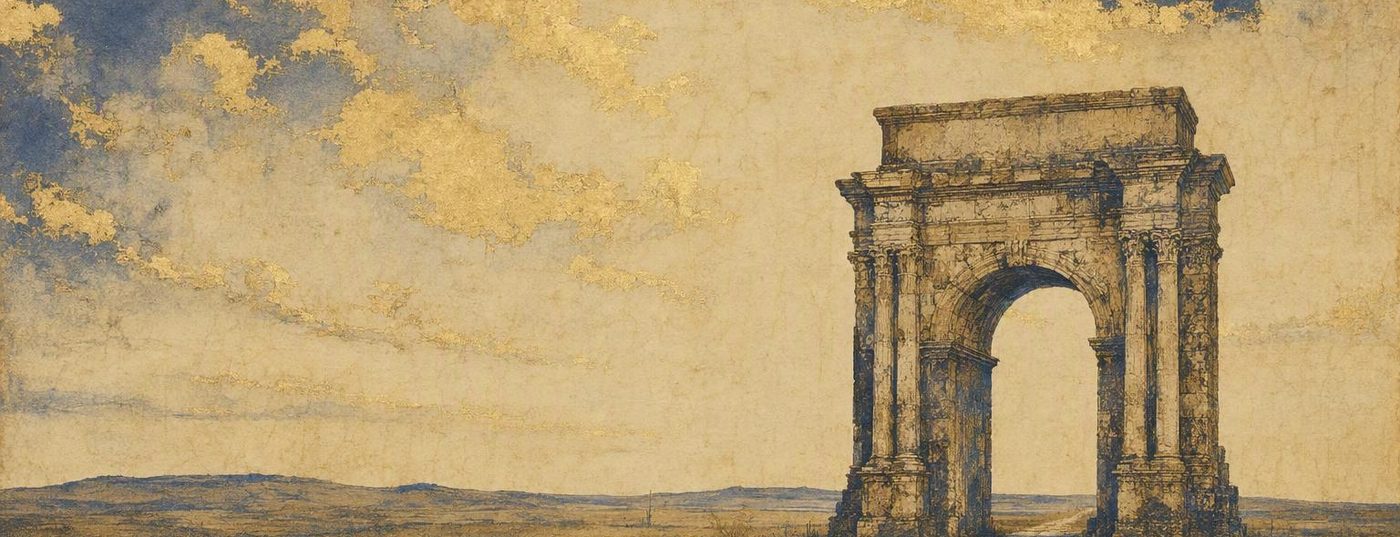
Lead with: Charlemagne · Civilization sequence: Rome → Norman → French Empire
Historical thread. Charlemagne was crowned Emperor in 800 explicitly as the restoration of Roman authority in the West, and the Frankish-to-Norman-to-French line is direct descent. Every leg of this run is a state that believed it was continuing Rome.
How it plays. Military and Science share a Happiness engine under Charlemagne, Norman conquest converts into Influence and Culture, and the French Empire can borrow any Government's Celebration effects – one of the most flexible endgames in the game.
Strategic variants. Napoleon (Revolutionary) for speed and Culture-from-combat; Napoleon (Emperor) for a Sanctions-driven economic and military reading; Lafayette for a liberal-diplomatic France; Augustus to stay tall and Roman throughout.
🗺️ Best maps. Continents Plus, or Continents. Successor states need a shared continent to succeed each other on, with enough coast for the French Empire's late flexibility.
14. The Iron Kingdom
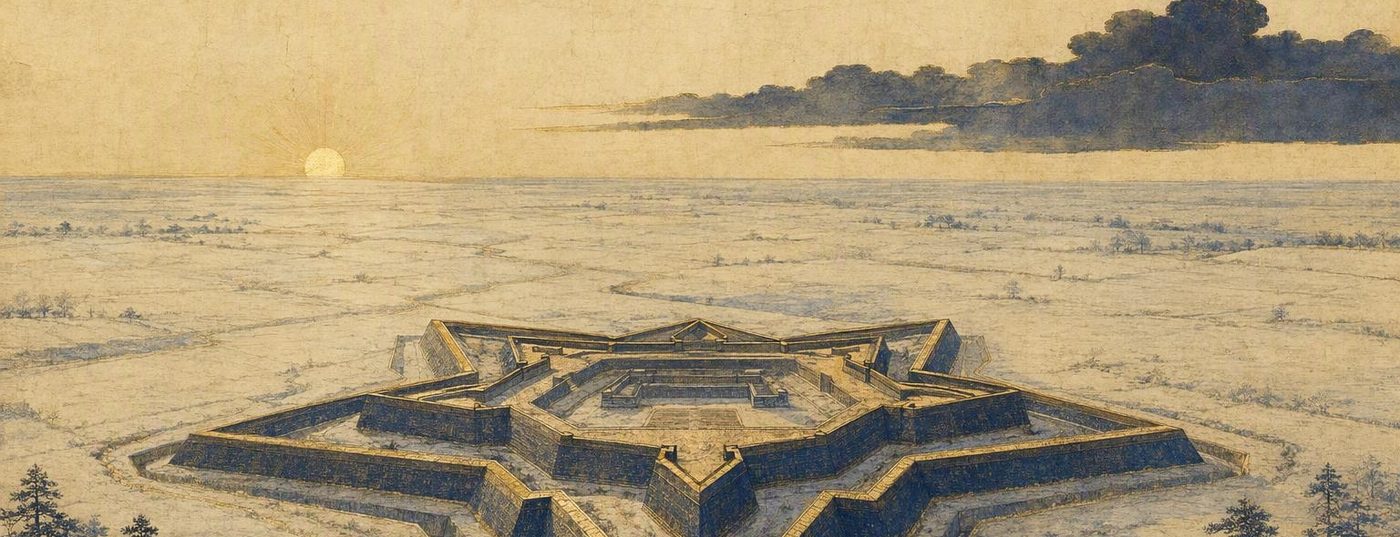
Lead with: Friedrich (Oblique) · Civilization sequence: Rome → Norman → Prussia
Historical thread. The other Roman inheritance – the one that ran through the Holy Roman Empire into Brandenburg-Prussia. Friedrich the battlefield theorist, whose oblique order concentrated force on a single flank and who revived the Berlin Academy, is the exact meeting point of the military and scientific halves.
How it plays. Commanders are the engine. Friedrich's Commanders start decorated and every Commendation pays Science, and since Commander XP survives Age Transitions, an Antiquity investment is still compounding in the Modern Age. Prussia then grants Combat Strength for every hostile relationship – the one civilization that rewards a bad reputation.
Strategic variants. Friedrich (Baroque) for the flautist-and-patron reading, taking Great Works from captured settlements; Alexander or Genghis Khan if you want conquest rather than deterrence.
🗺️ Best maps. Pangaea Plus, or Continents. Commanders compound by fighting. A single crowded landmass guarantees the wars that turn Friedrich's Commendations into Science.
15. The Iberian Atlantic
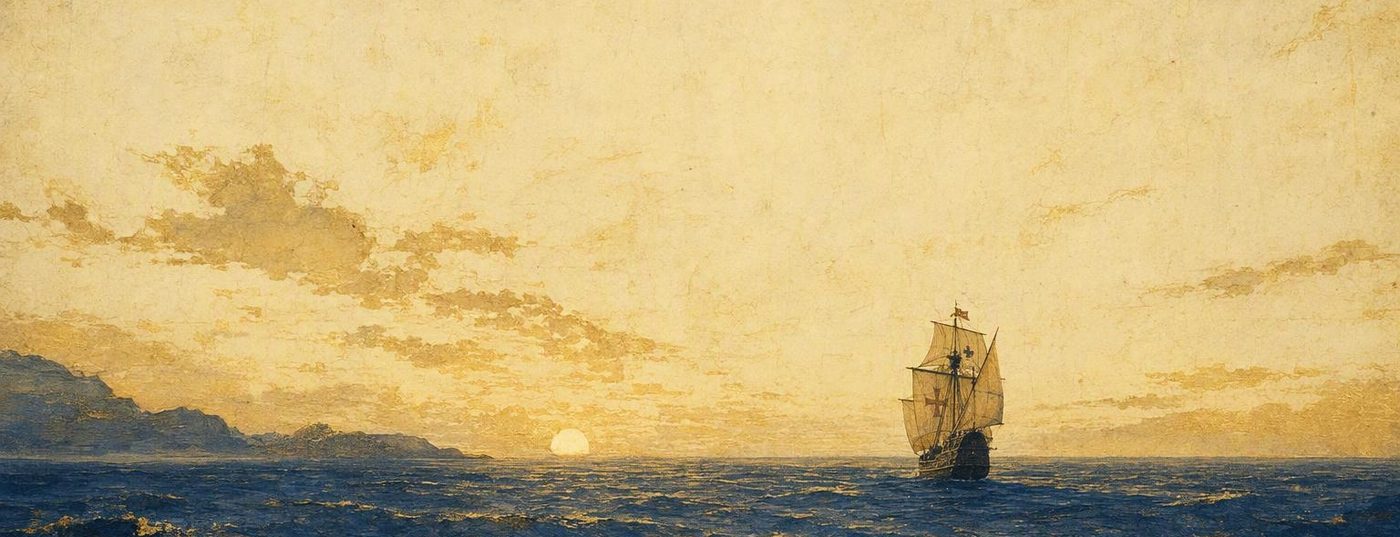
Lead with: Isabella · Civilization sequence: Carthage → Spain → Mexico
Historical thread. Carthage built a western Mediterranean empire whose Iberian ports and silver helped fund its power; Rome's conquest of that territory came later. The route then moves to the Spain that Isabella funded across the Atlantic and to New Spain becoming Mexico. It follows Iberia first as a contested Mediterranean frontier, then as the center of an oceanic empire, and finally into independence.
How it plays. Coastlines and overseas expansion pay throughout. Carthage doubles every Merchant and Colonist around a single-City core, which suits Isabella's cheaper navy and rewards the search for Natural Wonders. Spain then pays +4 Food, Gold, and Production in every Settlement that is both coastal and follows your own Religion – doubled again in Distant Lands – before Mexico's Revolución Government converts the developed empire into Celebration-driven Culture.
Strategic variants. Simón Bolívar, who liberated six nations from this empire, turns the final Age into a war of independence; José Rizal for the Celebration engine; Machiavelli for the diplomatic-economic version. Starting with Rome restores the Roman Hispania route and trades Carthage's maritime colonization for Culture and free Infantry from new Towns. Ending on America instead gives the run a wider, resource-driven finish.
🗺️ Best maps. Continents Plus, or Terra Incognita. The run is an Atlantic crossing. You need a home continent, a real ocean, and Distant Lands worth reaching – Terra Incognita if you want the far side to surprise you.
16. The Isles
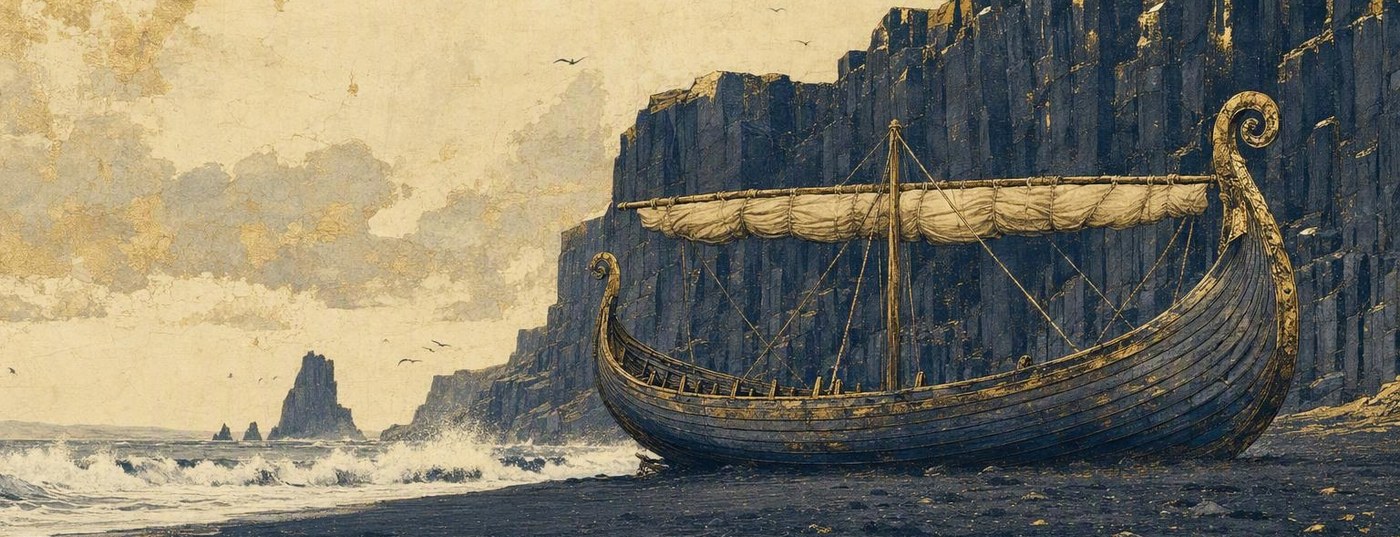
Lead with: Ada Lovelace · Civilization sequence: Rome → Iceland → Great Britain
Historical thread. The North Atlantic thread: Roman Britain, then the Norse world of sagas and open-ocean settlement that raided and settled the isles, then the industrial Britain that Ada Lovelace was born into and whose Analytical Engine she wrote the first published algorithm for. This is a maritime and cultural continuity rather than a single polity, and it is the most exploratory line in Europe.
How it plays. Iceland pays Culture for discovery and raids Archaeology Sites for Artifacts; Great Britain then accelerates Building construction and purchasing by 25% and pays its Antiquarian by sheer distance from home. Great Works accumulate from three different directions.
Strategic variants. Benjamin Franklin, who spent years in London, for an Endeavor-heavy Science run; Machiavelli for commerce; Lafayette for a Tradition build. Substituting Norman for Iceland gives the literal Norman Conquest instead of the wider Norse world.
🗺️ Best maps. Archipelago Hemispheres, or Continents and Islands. A North Atlantic thread wants islands to settle and sail between, with a mainland close enough to raid.
17. The Great Khan's Road
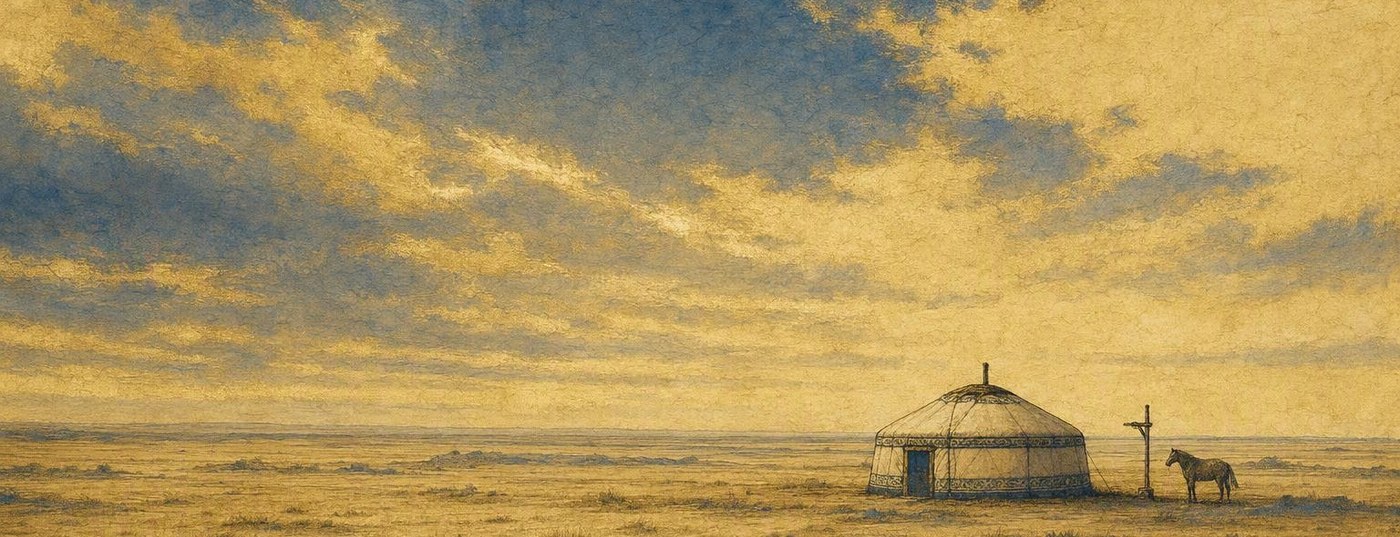
Lead with: Genghis Khan · Civilization sequence: Persia → Mongolia → Qing China
Historical thread. All three are territories the Mongols actually ruled or became: the Ilkhanate in Persia, the homeland itself, and the Qing, a steppe-descended dynasty that governed China from outside it. Genghis unified the tribes by absorbing defeated warriors into his own ranks – which is exactly what his ability does.
How it plays. The Exploration Age is the peak. Mongolia's Ortöö improvement resets a unit's Movement on contact, so a network of them makes the map small; combine that with Genghis's cavalry bonuses inside the Command Radius and you get a window of overwhelming mobility you should spend aggressively.
Strategic variants. Alexander if you intend to plant Wonders in the cities you take – his bonuses land on non-Capital Wonder Cities; Xerxes (King of Kings) for a siege-heavy version. Ending on Prussia trades the historical thread for a stronger industrial-military finish.
🗺️ Best maps. Pangaea Plus, or Continents. Ortöö movement networks and cavalry reach are wasted on water. Give Genghis one enormous landmass and let the map get small.
🌎 The Americas
18. The Confederacy
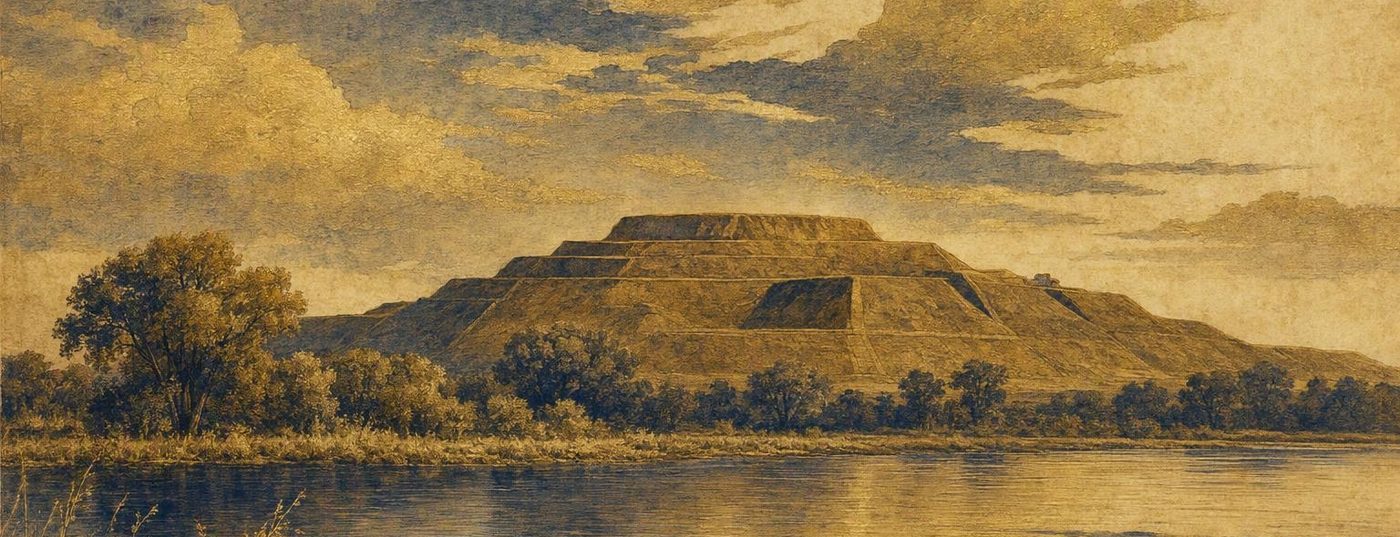
Lead with: Tecumseh · Civilization sequence: Mississippian → Shawnee → America
Historical thread. The most direct leader-to-civilization match in the game: Tecumseh was Shawnee. The run moves through the same river country in sequence – Cahokia's mound-building society, the Shawnee confederacy of the Ohio valley, and the republic whose expansion Tecumseh spent his life trying to halt. Playing all three is a deliberate, uncomfortable, and very good story.
How it plays. Diplomacy as military power. Tecumseh gains +1 Food in Towns, +1 Production in Cities, +1 Combat Strength for Infantry and Ranged Units, and +2 Dominion per City-State suzerainty, so three City-States are worth a Dominion lead and an infantry upgrade. Mississippian's Food adjacency from Resources front-loads the growth.
Strategic variants. Benjamin Franklin for the Endeavor-and-Science version of the same continent; Harriet Tubman for espionage and defensive War Support; Simón Bolívar to make the final Age about liberation rather than expansion.
🗺️ Best maps. Continents, or Continents Plus. River country and City-State diplomacy want land neighbors – you need Independent Powers you can actually reach and befriend.
19. The Cordillera
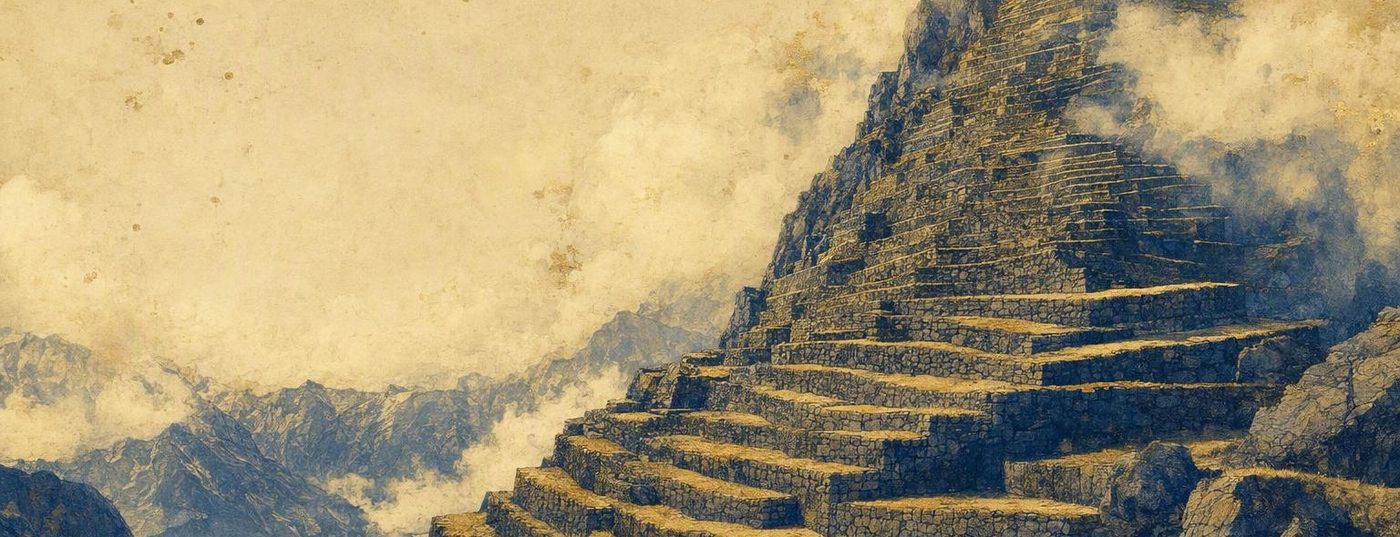
Lead with: Pachacuti · Civilization sequence: Maya → Inca → Nepal
Historical thread. This one is a terrain thread rather than a geographic one, and worth taking on those terms: three civilizations that made mountains habitable when everyone else treated them as walls. Pachacuti rebuilt Cusco and drove Inca expansion into the high Andes; Maya cities rose inside rainforest highlands; Nepal's Sherpa made the highest terrain on Earth passable.
How it plays. The clearest escalation in the guide. Pachacuti grants Food adjacency from Mountains, Inca lets you work Mountain tiles, and Nepal extends every Warehouse bonus onto them. Terrain rivals ignore becomes your best land.
Strategic variants. Substituting Khmer for Maya trades jungle Science for a hydraulic river Capital and a stronger opening. Confucius compounds growth; Ashoka (Renouncer) turns the same terrain engine toward Happiness. For an all-American reading, lead with Lafayette and end with Mexico: the run loses Nepal's mountain payoff but gains Culture and Happiness from stacking Traditions. With no Mesoamerican Exploration civilization, the Andes still carry the middle Age.
🗺️ Best maps. Fractal Continents, or Continents Plus. You want mountains, and lots of them. Fractal Continents produces the most varied and dramatic terrain in the game, which is precisely what this run monetizes.
20. The Great Ocean
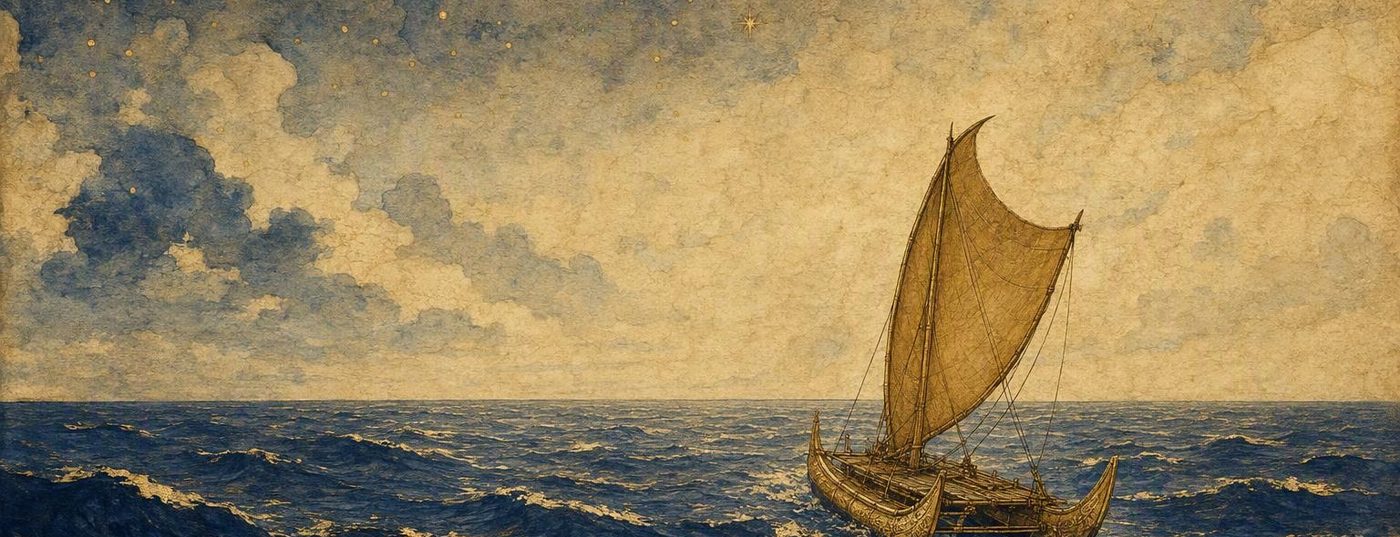
Lead with: José Rizal · Civilization sequence: Tonga → Hawai'i → America
Historical thread. The Pacific, and what happened to it. Tongan and Hawaiian voyaging cultures crossed thousands of miles of open ocean by star and swell; the run then ends with the power that annexed Hawai'i in 1898. José Rizal – executed for writing novels that woke a national consciousness under colonial rule – gives that arc its point of view.
How it plays. A Celebration engine on water. Rizal extends Celebration duration by 50% and lowers the threshold, Hawai'i generates Culture from ocean navigation and island settlement, and Tonga's suzerainty grants free Trade Routes. Best on archipelago maps.
Strategic variants. Isabella or Sayyida al Hurra for a naval-economic reading; Catherine the Great to convert the Culture into Great Works. Substituting Maya for Tonga, or Mexico for America, keeps the run closer to Rizal's own Spanish-colonial history.
🗺️ Best maps. Archipelago, or Archipelago Hemispheres. Pacific voyaging on a Pacific map. Open water, scattered islands, and Hawai'i's ocean tiles finally paying for themselves.